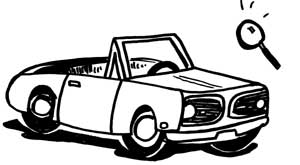
Once you’ve identified a potential classic car purchase, whether it’s in your neighborhood or several states away, the next step is a thorough inspection if possible. The key is to gather factual information about the vehicle’s condition, authenticity, and mechanical integrity. In this chapter, we’ll explore best practices for inspecting a car yourself, as well as how to hire professional services if you can’t visit in person.
1. Preparing Your Inspection Strategy
When talking to the seller, especially if you can only do so by phone, make a list of the specific questions you need answered. Avoid broad, opinion-based questions like “Does it run well?” Instead, ask about:
- Ownership History: “How long have you owned it?”
- Maintenance Records: “Do you have receipts or documentation for recent repairs?”
- Mechanical Condition: “Has the engine or transmission been rebuilt?”
- Body Status: “Are there any dents or visible rust?”
- Paint & Interior: “How old is the paint job?” “Any tears or stains on the upholstery?”
Keep these questions factual so you can minimize subjective opinions and get a more accurate picture of the car’s current state.
2. If You Can’t Inspect the Car Yourself
2a. Hire a Professional Inspection or Appraisal Service
For higher-value classics, paying $300 to $700 for a third-party inspection is usually money well spent. This service confirms the car’s actual condition and helps ensure you’re not a victim of misrepresentation. Note that an inspection typically doesn’t include a formal appraisal (a separate process used to determine a car’s true market value), so clarify which service you need before hiring a company. Inspections tend to focus on:
- Verifying the car’s existence and physical condition
- Confirming VIN and engine numbers
- Assessing bodywork, chassis, and interior condition
- Identifying major mechanical or cosmetic issues
If you’re buying a top-tier collectible or a car claiming “numbers matching” originality, an appraisal may be a wise upgrade, often costing a bit more. A certified appraiser will estimate the vehicle’s market value and provide a formal report.
- InspectMyRide – eBay Motors and AutoTrader’s recommended partner for general vehicle inspections.
- AutomobileInspections.com – Previously affiliated with eBay Motors, and often used for classic and specialty cars.
2b. Local Car Clubs & Forums
A less formal but cost-effective approach is to contact a local car club or forum member near the vehicle’s location. Enthusiasts are often willing to take a look at a car on your behalf. While this isn’t a professional inspection, it can confirm that the car and seller are legitimate, and may reveal obvious red flags, such as major rust or a sketchy seller. Offer to pay a small fee or make a donation via PayPal or Venmo as a courtesy.
3. If You Can Inspect the Car in Person
If the car is local or you’re able to travel to see it, you’ll have a more hands-on approach.
- Consider Bringing an Expert: An experienced friend or mechanic can spot issues you might miss, especially if you’re new to classic car ownership.
- Use a Prepared Checklist: List out all major inspection points—body panels, undercarriage, engine bay, electricals, interior, etc. Check items off methodically so you don’t overlook anything.
- Test Drive (If Possible): If the vehicle is running, take it for a short spin. Listen for abnormal engine noises, check how it shifts, and see if the brakes respond properly.
- Consider an Appraisal for High-Value Cars: If the car is claimed to be rare, numbers matching, or a special edition, verify with a professional appraiser. This will protect you from overpaying for what might be a clone or heavily modified vehicle.
4. Research Model-Specific Issues
Every classic model has its quirks from common rust areas, mechanical weak spots, or interior trim known to be fragile. Join online forums or local owners’ clubs, and ask what you should look for. For instance, certain Ford Mustangs from the 1960s are notorious for rust in the floor pans, while some Chevelle's might have recurring front suspension issues. Being aware of these model-specific pitfalls can save you thousands in potential repairs.
5. Condition Rating Systems
Two commonly used rating systems help describe a vehicle’s condition: a 100-point scale and a 6-category scale. Neither is strictly “official,” but they provide a useful reference.
5a. 100-Point System
- 100 = Perfect / Show Car: A professional, nut-and-bolt restoration or an absolutely flawless original. Stored in a climate-controlled environment, rarely if ever driven.
- 90+ = Excellent: An older restoration with minimal wear, or a meticulously maintained original. Near show quality with minimal imperfections.
- 80+ = Fine: A “show quality” car that is operational and can be driven with pride. Some minor wear is visible, but it’s generally in excellent condition.
- 70+ = Very Good: A well-maintained driver. Shows normal signs of age, but no major mechanical or cosmetic issues.
- 60+ = Good: A complete, functional vehicle that may need minor work. Potentially a daily driver that’s showing age but still solid overall.
- 50+ = Driver: Running and roadworthy, with noticeable flaws and moderate wear. Still decent looking from a distance.
- 40+ = Restorable: Needs partial restoration (engine, body, interior, or chassis) but remains mostly complete but may not run or be reliable.
- 30+ = Partial: Requires extensive restoration; may have missing parts or significant damage.
- 20+ = Parts Car: Not realistically restorable. Typically used as a donor vehicle for parts.
5b. 6-Category System
The 6-category scale is common at auctions and aligns roughly with the 100-point system:
- Category 1 = 90+ points
- Category 2 = 80–89 points
- Category 3 = 70–79 points
- Category 4 = 60–69 points
- Category 5 = 40–59 points
- Category 6 = under 40 points
Chapter 7 Conclusion
Inspecting a classic car thoroughly is critical, especially if you’re making a high-dollar purchase or buying sight unseen. Whether you hire a professional inspector or take a checklist along for a personal review, the goal is the same: find any potential pitfalls before you finalize the deal. Armed with model-specific knowledge and a clear plan, you’ll be able to confidently assess a car’s condition and decide if it’s worth your hard-earned money.
In the following chapters, we’ll explore additional steps to secure your transaction and finalize the purchase, helping you avoid costly mistakes and ensure that your new classic car meets your expectations.
 Chapter 6 - Classic Car Auctions