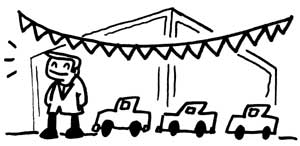
Buying a classic car from a specialized dealer has its advantages: these vehicles are typically in excellent condition, often come with some level of service history, and can sometimes include limited warranties. On the other hand, expect to pay a premium for a turn-key car that needs little to no restoration. This chapter will help you decide whether a dealership purchase is right for you and how to prepare yourself for a smooth transaction.
1. When a Dealership Makes Sense
Classic car dealerships cater to buyers who want a well-maintained vehicle they can drive home, often with minimal restoration requirements. If you’re seeking a high-quality, show-ready, or extensively restored car, a dealership can be an ideal option. However, if your priority is a budget-friendly or project-ready car, dealerships may not offer the variety or price points you’re looking for.
2. Financing & Dealer Support
Purchasing from a classic car dealer is somewhat similar to buying a newer vehicle at a standard dealership. Many dealers have established relationships with finance companies, allowing you to arrange a loan if needed. Be sure to read Chapter 8 on financing so you understand your options and are prepped to negotiate effectively if the right car appears.
Dealers specializing in older cars often have on-site service centers staffed by mechanics who understand the nuances of vintage vehicles. This can be invaluable: if something goes wrong, you already know where to take it for service or advice. Some dealerships even provide limited warranties, though these are typically offered through third-party providers. Read the terms carefully so you’re aware of coverage exclusions and conditions.
3. Sales Tactics: How Classic Dealers Differ
One common fear for many buyers is the “high-pressure” sales atmosphere found at new-car dealerships. With classic car dealers, the dynamic usually changes:
- Less Urgency: Buyers are generally enthusiasts looking for a specific make or model, not someone in urgent need of a daily driver. Used car salesman know this and push hard on sales, whereas the speed is different with most dealerships.
- Lower Sales Pressure: Dealers recognize that many prospective buyers are “just looking” or comparing multiple vehicles before making a decision. They often maintain a more relaxed, consultative approach.
4. Potential Downsides
While dealerships can provide an easier ownership transition, there are still a few caveats:
- Higher Prices: Given that most dealer sold classics are in good to excellent condition, you’ll typically pay a premium. Project cars are rare in dealership settings.
- Limited Ownership History: If a car was bought at auction or acquired from another dealer, the current seller may not know much about its past. By contrast, buying directly from a long-term owner often yields detailed service records and personal anecdotes. There seems to be better chances from what I've heard on dealerships having some history or knowledge of the vehicle's past, but not always.
- Geographic Constraints: Enthusiast-friendly dealerships are more common in certain regions (e.g., the Carolinas, California, or large metro areas). If you live in a rural location, you may have to travel or rely on online listings to find your desired model.
5. Preparing for a Dealership Visit
Before heading to a classic car dealership, do the following:
- Research the Model: Know the market value, typical problem areas (like frame rust or notorious mechanical issues), and any special edition trims or codes to look out for.
- Arrange Financing (If Necessary): Speak with potential lenders or check what terms the dealership can offer. Arriving with pre-approved financing strengthens your negotiating position.
- Request Documentation: Ask the dealer for available service records, restoration receipts, or historical documents like build sheets and previous titles. This helps validate the car’s authenticity and condition.
- Inspect Carefully: Even top-notch cars can have hidden flaws. Bring a trusted mechanic or classic car expert if possible, or schedule a professional pre-purchase inspection.
Chapter 3 Conclusion
For buyers seeking a pristine classic, going through a specialized dealer can be a positive experience. You’ll likely find meticulously cared for cars, expert mechanical advice, and the convenience of on-site financing. However, expect higher price tags. If that’s an acceptable trade-off for peace of mind and immediate drivability, a classic car dealership might be your best route.
In the next chapters, we’ll explore additional buying avenues—online resources, eBay, and auctions with each offering its own set of benefits and challenges. By the end of this guide, you’ll have a complete understanding of all your options for finding, financing, and enjoying your dream classic.
 Chapter 2 - Searching for a Classic Car